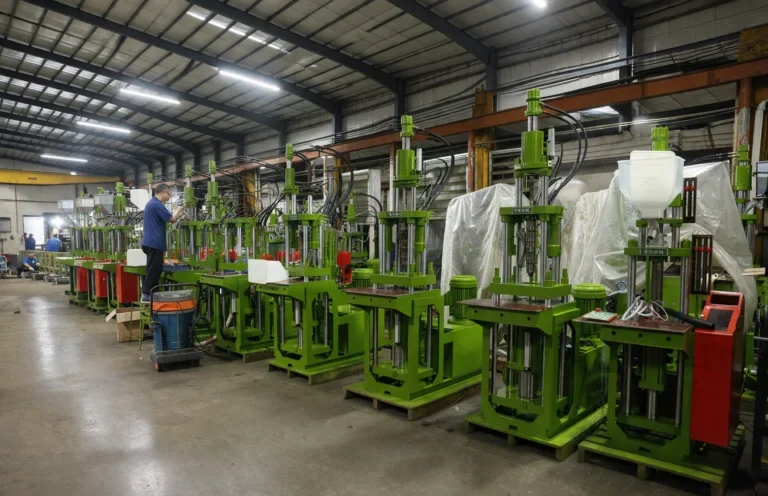
Single Station Vertical Injection Molding Machine
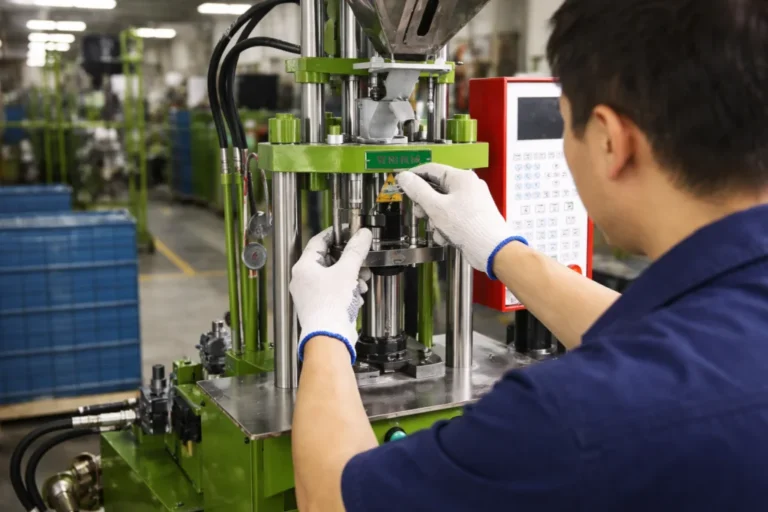
The simplest vertical platform: the mold opens in front of the operator, the insert is placed by hand and the clamp closes from above. The baseline for small inserts and short runs.
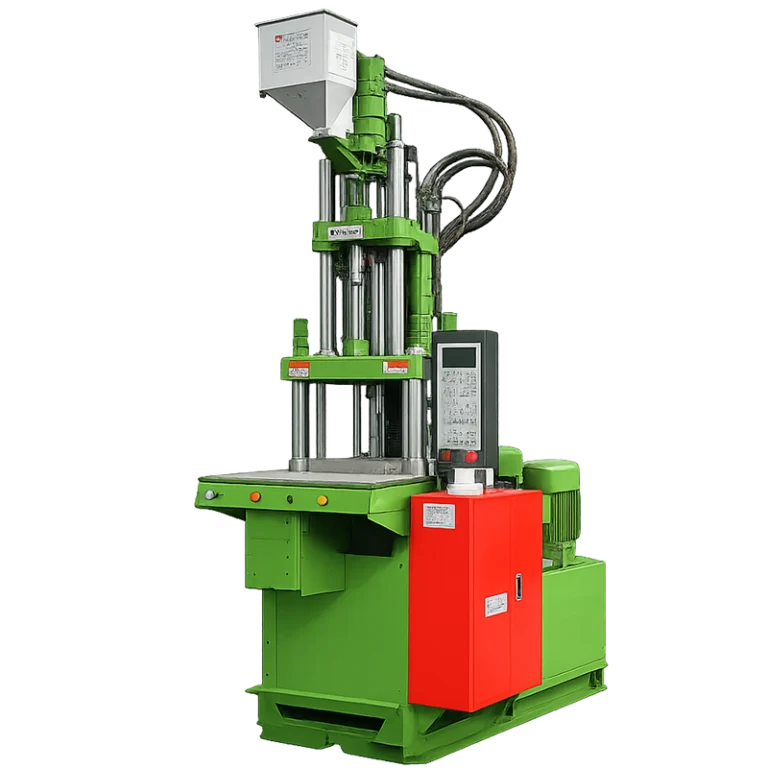
Insert molding · Overmolding · Multi-station · Automated cells
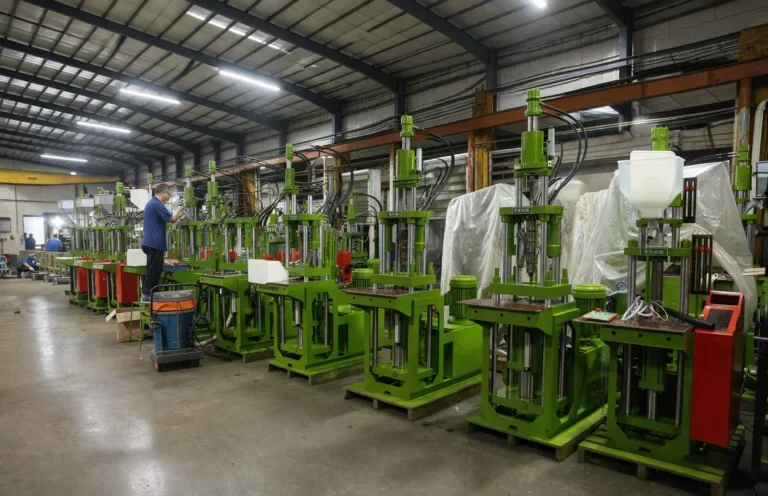
Zanyang designs, builds and matches vertical injection molding machines to a part, a mold and a plastic: insert molding, overmolding, multi-station molding and automated cells. The structure follows from how the insert is loaded, not from a tonnage.
Send your part See the machine platforms
Not a size list. Each platform states the loading problem it answers, and what a selection needs from you before a configuration is quoted.
The simplest vertical platform: the mold opens in front of the operator, the insert is placed by hand and the clamp closes from above. The baseline for small inserts and short runs.
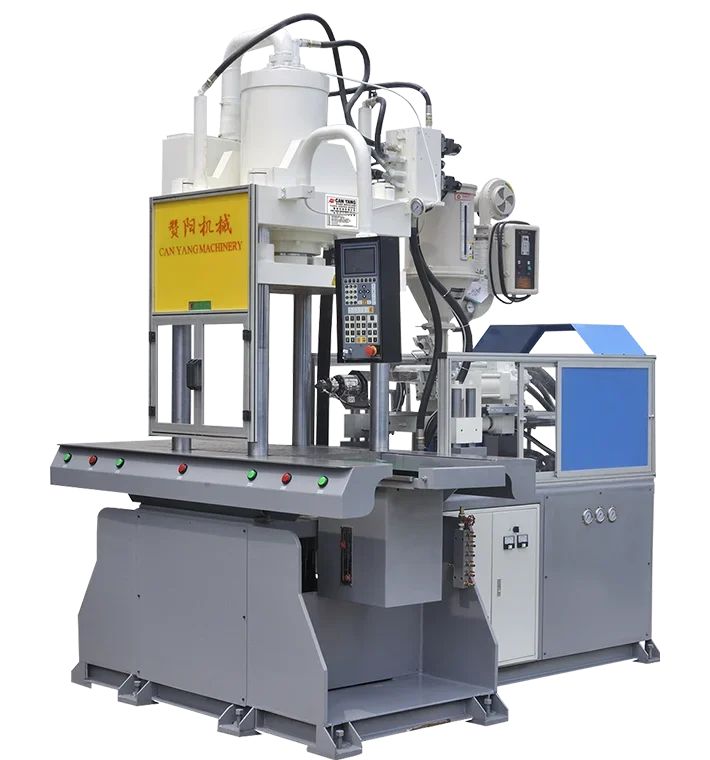
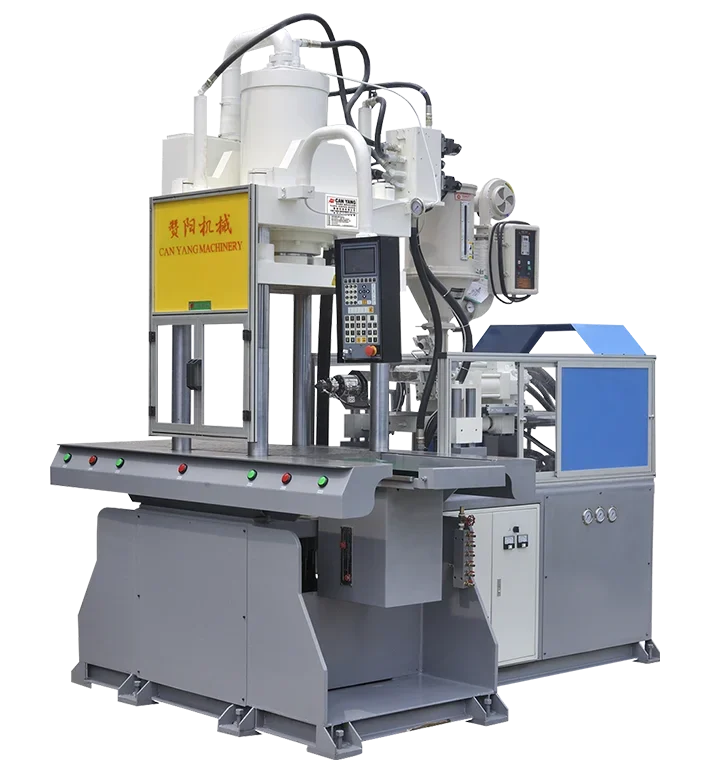
One table slides out of the clamp so the insert is loaded outside the molding area, with a guard between the operator and the clamp.
Two tables on one clamp: one side molds while the other is open for the insert. It replaces a single station when loading time has caught up with molding time.
Several stations on a rotating table: loading, molding and unloading run at the same time, at different positions, so the clamp is never waiting for an operator.
Six production problems a vertical clamp answers, each with the data that decides the structure behind it.
Cable & wire harness
Cable and plug overmolding
A terminated cable is laid in an open lower mold and the plug body is molded around it.
Connector & terminal
Connector and terminal insert molding
Terminals stand upright in the lower cavity and the housing is molded around them, so each pin is visible seated.
Metal insert / hardware
Metal insert overmolding
A nut or bracket sits in the lower half while plastic is molded around it, so load stays in metal.
Automotive components
Small parts defined by an insert or sealing face, where one configuration and one acceptance record must repeat.
Sensor components
Sensor encapsulation
A housing, coil or cable end is enclosed by a short flow, using a barrel matched to a small shot.
Electronic / electrical
Automated insert cells
Automation starts at how the insert arrives, is oriented and is checked, not at the robot that picks it.
The selector does not guess a final model from tonnage alone. It prepares the information a technical review needs.
Bring what you have; the rest is worked out with you.
No final machine recommendation is made without technical data.
Open the applications →The figures below are the ones the works publishes. Anything else is answered in a project review.
Two different questions. Neither is replaced by a certificate.
A configuration is frozen against your mold data first: clamp, injection unit, platens, daylight, ejection and nozzle position. What is built afterwards is what that sheet says.
See the structures →
A trial asks whether the part can be made. A factory acceptance test asks whether machine and mold run together, repeatedly, at the agreed settings. The scope of that test is written down before it is run.
How the review works →A supplier that only sells one structure will always find a reason for it. These are the cases where we say so first.
Payment terms stay commercial. The milestones do not have to be a surprise.
Start with a simple message. Add drawings, material and mold data when you have them — a photograph of the part with the insert in place is enough to begin.
Recommended: product · material · plastic weight · insert · mold · cavities · target cycle · automation need
Or write to the desk directly. The full request form →